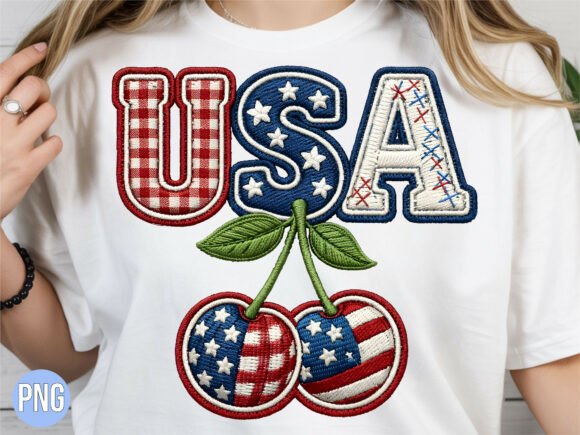
1776 America Patriotic Embroidery PNG
First Impression: Bold, Timeless, and Booth-Ready
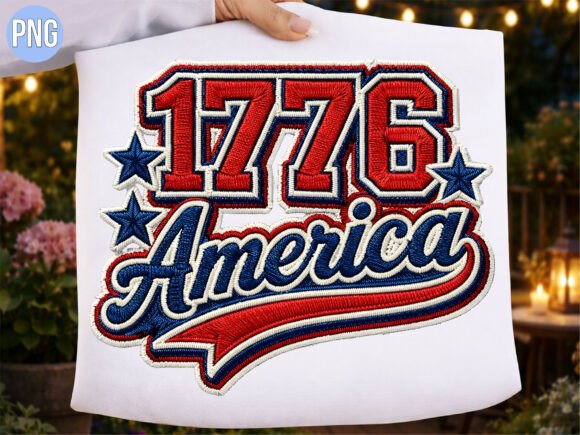
As an embroidery designer who’s prepped over 200 craft fair booths—and sold thousands of handmade items—I opened 1776 America Patriotic Embroidery PNG expecting crisp clarity and confident heritage energy. What I got was exactly that: a design that reads instantly as bold, proud, and uncluttered—not cute or cartoonish, not overly ornate or minimalist. It lands in that sweet spot between rustic charm and polished patriotism: think farmhouse aprons with clean lettering, not vintage circus posters. The “1776” anchor gives it historical weight; the “America” treatment feels modern and legible, not stiff or dated. That balance is rare—and critical when your booth has just three seconds to grab attention.
Where This Design Truly Shines in Handmade Markets
Tote bags are the #1 test for any patriotic design—and 1776 America Patriotic Embroidery PNG excels here. At 4–5 inches wide, it centers beautifully on natural canvas or heavyweight cotton, reading clearly from six feet away. On aprons, it works equally well above the pocket (as a subtle statement) or centered on the bib (as a focal point). For tea towel embroidery, its clean lines hold up against textured terry weaves—no fuzzy edges or lost detail. As a patch, it stitches cleanly at 2.5–3 inches, especially when backed with iron-on stabilizer and finished with merrow edging. And on caps, it holds integrity across curved surfaces—provided you use a low-profile hoop and medium-weight cutaway stabilizer.
It also elevates smaller items with high perceived value: embroidered pouches, pillow covers, and market bags all benefit from its strong silhouette. Unlike dense floral motifs or script-heavy slogans, this design doesn’t compete with fabric texture—it complements it. That makes it ideal for boutique makers curating cohesive, elevated handmade product lines.
What Makes It Sell—Beyond Just “Patriotic”
This isn’t just another flag-themed graphic. 1776 America Patriotic Embroidery PNG carries quiet authority. Customers don’t just see “red, white, and blue”—they register craftsmanship, intention, and heritage. That translates directly to higher price tolerance: buyers happily pay $38 for an embroidered linen pillow cover featuring this design, versus $24 for a generic star motif. It also strengthens brand consistency across your shop—whether you’re listing on Etsy, selling at a holiday bazaar, or restocking your small shop product shelf.
For Etsy sellers, it photographs exceptionally well. Its 300 DPI resolution ensures sharpness in both close-up detail shots and lifestyle flat lays. Use it in a printable mockup with neutral backgrounds—cream linen, weathered wood, raw denim—and it reads premium, not mass-produced. And because it’s a clean vector-friendly PNG (with transparency), it adapts seamlessly to digital embroidery file prep, screen printing separations, or even heat-transfer vinyl cutting.
Practical Production Notes Every Embroiderer Should Know
Before stitching your first batch, run these checks:
- Test on scrap fabric—especially if using dark denim, thick twill, or textured tea towels. Contrast matters: navy thread on black fabric will mute the design; off-white or antique gold thread pops with clarity.
- Review stitch density. While the description doesn’t list exact counts, the “ultra-crisp” claim suggests optimized fill areas—not over-stitched blobs. Still, inspect the lettering: “1776” should be solid but breathable; tiny serifs or thin strokes may collapse on dense fabrics without proper underlay.
- Confirm hoop size and stabilizer match. A 4×4 hoop fits most applications—but if scaling larger for tote bags, verify the design stays balanced. Use medium-cutaway stabilizer for caps and lightweight tear-away for tea towels.
- Small lettering alert: Even at 300 DPI, “America” in tight spacing can blur at sub-2-inch sizes. Avoid shrinking below 1.75 inches for patches or pouches—clarity trumps cuteness.
- Dark fabric? Double-check thread contrast. This design relies on legibility—not just color. Test satin stitch coverage on charcoal linen before committing to 50 units.
Why It Strengthens Your Craft Fair Booth—Not Just Your Products
Your booth tells a story before anyone reads your price tags. 1776 America Patriotic Embroidery PNG reinforces authenticity and care. When stitched on matching aprons, tote bags, and tea towels, it creates visual rhythm—drawing the eye across your display like a curated collection, not a grab-bag assortment. Customers pause longer. They ask questions. They remember your brand.
It also supports repeat engagement: buyers who love the design on a market bag often return for a coordinating patch or pillow cover. That cross-product pull is gold for small shop owners managing limited inventory and booth space.
Final Designer Advice Before You Stitch
Download the ZIP file and extract it immediately—don’t try to open it mid-embroidery setup. Confirm the PNG opens cleanly in your editing software (Photoshop, Affinity, or even free tools like Photopea). Then:
- Create at least one real mockup—stitch it on your intended fabric, photograph it in natural light, and compare it side-by-side with your other bestsellers.
- Compare fabric colors: Does it sing on oatmeal linen? Mellow on indigo chambray? Fade on heather gray? Let the material guide your palette choices.
- Verify commercial licensing before selling finished products. Since this is marketed as a digital embroidery file for creative projects, confirm whether resale rights are included—or if attribution or usage limits apply.
- Remember: even the strongest machine embroidery design lives or dies by execution. Don’t skip the stabilizer test. Don’t rush the hoop alignment. Don’t assume “300 DPI” means “no test sew.”
Bottom line? 1776 America Patriotic Embroidery PNG is more than a T-Shirt Designs asset or a Graphics download—it’s a versatile, emotionally resonant, production-smart foundation for meaningful handmade products. Whether you're building your first Etsy shop or refining your craft fair lineup, this design earns its place front-and-center. Just stitch it right—and let the heritage speak for itself.