Electron Microscope Embroidery Design
A Designer’s First Look: Smart, Clean, and Surprisingly Versatile
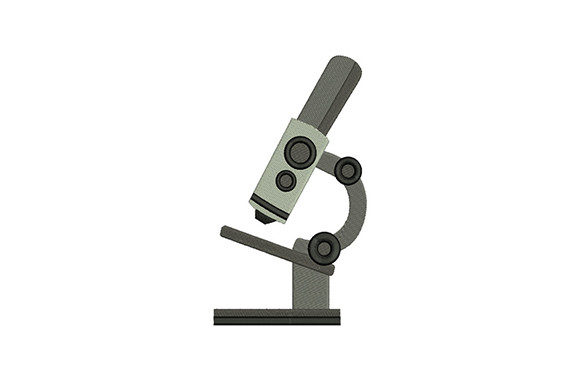
When I opened Electron Microscope for the first time, I didn’t see just another science-themed machine embroidery design—I saw a quiet confidence in its layout. It’s not cartoonish or overly technical; it strikes that rare balance between educational charm and wearable sophistication. The silhouette is instantly recognizable—a stylized electron microscope with clean contours, subtle internal detail, and intentional negative space. There’s no cluttered labeling or forced realism—just enough visual language to say “lab coat optional” without shouting. That makes it ideal for School-related projects where authenticity matters, but also for craft businesses aiming for thoughtful, grown-up handmade appeal.
Real-World Test: A Custom Tote Bag for a Local Science Camp
Last month, I used Electron Microscope on a medium-weight cotton canvas tote for a summer science camp giveaway. We stitched it centered on the front panel, about 4.5 inches wide. On fabric, it held up beautifully—no puckering, no thread breakage, even across the slight curve of the bag’s seam. The stitch density felt intentional: dense enough to read clearly at arm’s length, light enough to avoid stiffness. Parents loved it—not as a gag gift, but as something their kids actually *wanted* to carry. That’s the quiet strength of this design: it doesn’t lean into cliché. It supports the product instead of overwhelming it.
Where It Shines (and Where It Needs Thought)
Electron Microscope works especially well on:
- Custom apparel—sweatshirts, crewnecks, and structured tees hold the shape cleanly, especially when paired with a medium-cut stabilizer;
- Embroidered patches—its balanced proportions and minimal fine detail make it cut-and-sew friendly;
- Baby embroidery—on organic cotton onesies or burp cloths, it reads as gentle and clever, not clinical;
- Holiday embroidery—think lab-themed teacher gifts or STEM-themed stocking stuffers;
- Small shop product—it adds instant credibility to boutique aprons, tea towels, or pillow covers aimed at educators, makers, or curious adults.
But here’s where attention matters:
- Thin or stretchy fabric: Skip lightweight jersey or ribbed knits unless you double-stabilize. The design’s clean lines rely on stability—not elasticity.
- Curved surfaces like caps: It can work, but only if hooped precisely and sized down slightly (under 3.5"). Avoid placing it over the crown seam unless your machine handles distortion well.
- Dark fabric: Use matte black or charcoal thread—not glossy metallics. The design’s readability depends on tonal contrast, not sparkle.
- Frequent-wash items: Reinforce with tear-away + cut-away combo stabilizer, especially around the base of the microscope column where fill stitch meets satin edge.
What It Adds to Your Finished Product
This isn’t just decoration—it’s context. When customers see Electron Microscope on a handmade tote or personalized sweatshirt, they register competence, curiosity, and care. That lifts perceived value. For Etsy sellers, it helps listings stand out in crowded “science gift” or “teacher appreciation” categories—not because it’s flashy, but because it feels *considered*. It reinforces brand consistency for craft businesses that position themselves as intelligent, detail-oriented, and audience-aware. And for holiday or wedding gifts? It’s memorable without being sentimental—perfect for the scientist who’d rather get a well-stitched apron than another mug.
Practical Designer Notes Before You Stitch
Before using Electron Microscope in your next embroidery project, take these five minutes:
- Test on scrap fabric first—especially if you’re using textured weaves like linen or burlap;
- Check thread color contrast in natural light—not just on screen. A soft navy on heather gray reads differently than on white cotton;
- Review stitch density visually. Does the lens area feel too heavy? If so, reduce fill density by 5–8% in your software;
- Confirm hoop size compatibility. This design likely fits standard 4x4 hoops, but verify before committing to a tight deadline;
- Inspect small details—like the eyepiece ring or base feet—in both black-and-white and grayscale mockups. Clarity at small scale is non-negotiable for professional presentation.
Also: use proper stabilizer for your fabric type—not just “what’s on hand.” And always confirm licensing terms before selling finished products or bundling Electron Microscope as part of a digital embroidery file pack. It’s easy to assume commercial use is included; don’t risk it.
Final Thought: Not Just for Lab Coats
I’ve stitched dozens of science-themed designs over the years, and most fall into two camps: oversimplified or over-engineered. Electron Microscope avoids both. It’s precise without being cold, playful without being childish, and distinctive without demanding attention. Whether you’re an Etsy seller building a niche around educator gifts, a small shop owner curating STEM-themed kitchen linens, or a hobbyist stitching baby embroidery for a pediatrician friend—it lands with integrity. It doesn’t try to be everything. It just does one thing very well: make smart design feel effortless to wear, give, and sell.