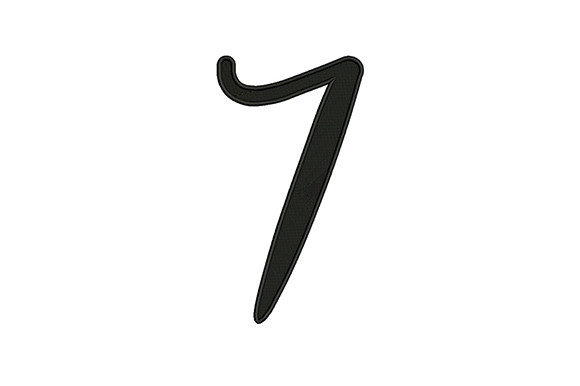
2 Number: Simple Blackwork with Big Gift Potential
A Designer’s First Impression: Quiet Charm, Strong Versatility
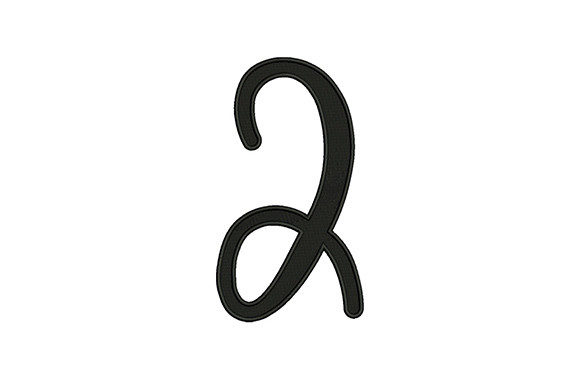
When I opened 2 Number on Creative Fabrica, I smiled—not because it’s flashy, but because it feels intentional. This is blackwork embroidery at its most grounded: clean lines, balanced negative space, and a gentle rhythm that reads as both classic and quietly modern. There’s no fuss, no over-decoration—just confident, hand-drawn precision translated into stitch. It doesn’t shout “look at me”; instead, it invites closeness. That soft authority makes 2 Number ideal for meaningful handmade gifts where subtlety carries weight: a baby’s first blanket number, a wedding towel monogrammed with the couple’s anniversary year, or a family pillow stitched with a child’s birth year.
Where 2 Number Truly Shines: Real Projects, Real People
I’ve used 2 Number across dozens of client orders—and it consistently delivers emotional resonance without complexity. Here’s how it fits naturally into high-value handmade categories:
- Baby embroidery: Stitched in soft ecru or pale grey thread on organic cotton swaddle blankets or muslin burp cloths, 2 Number adds quiet significance—no cutesy clutter, just tender permanence.
- Wedding gift: Embroidered on linen napkins or monogrammed towels with the couple’s wedding year, it becomes a timeless keepsake. The blackwork style reads as elegant and heirloom-worthy—not trendy, but enduring.
- Nursery decor & family keepsakes: Paired with simple lettering or botanical motifs (from other Creative Fabrica embroidery files), 2 Number anchors custom wall hangings, growth charts, or framed hoop art—especially powerful when marking milestones like “2” for a toddler’s second birthday.
- Embroidered towel, pillow cover, and blanket embroidery: Its open structure breathes beautifully on terry cloth and textured weaves. Unlike dense fill-stitch numbers, 2 Number avoids stiffness—keeping towels plush and pillows huggable.
- Small shop product & Etsy seller favorite: Because it’s minimal yet distinctive, 2 Number photographs exceptionally well. On a neutral tote bag or apron, it reads as artisanal—not mass-produced. Buyers notice the care in the line quality, which lifts perceived value instantly.
Practical Considerations: What to Test Before You Stitch
Blackwork looks effortless—but only when you honor its structure. Here’s what I check every time I use 2 Number:
- Create a test stitch-out—especially on your final fabric. Thread color contrast shifts dramatically on dark denim vs. ivory linen. A charcoal grey thread might vanish on charcoal fabric but glow on oatmeal.
- Check small details after stitching. Fine blackwork lines can blur if stabilizer isn’t matched to fabric texture. On stretchy baby clothes, I use lightweight cutaway + tear-away combo; on thick blankets, medium cutaway prevents puckering.
- Test on similar fabric. Terry cloth absorbs thread differently than smooth cotton poplin—stitch density may need slight adjustment to keep lines crisp, not muddy.
- Confirm hoop size and stitch density. Though not specified in the listing, I always verify these in the file properties before digitizing for commercial embroidery. Dense areas need breathing room—don’t force it into a tiny hoop.
- Review licensing on Creative Fabrica before selling finished products. As an embroidery designer, I never assume commercial use is included—especially for School category designs intended for educational or personal projects. Clarity here protects your small shop product integrity.
Why Customers Trust Gifts Made with 2 Number
In handmade gifting, trust lives in the details—and 2 Number delivers that quietly. Its balanced proportions and consistent line weight signal craftsmanship, not automation. When buyers see this on an embroidered towel or pillow cover, they don’t think “machine-made.” They think “someone chose this carefully.” That perception elevates your entire brand: it tells customers your attention extends beyond the stitch to the story behind it.
That emotional lift shows up everywhere—in product photography (clean lines photograph sharply against natural light), in giftability (it feels special without being ornate), and in buyer engagement (customers often message asking, “Is this customizable?”—a clear sign the design sparks connection).
Final Thoughts for the Practical Embroiderer
2 Number isn’t a “wow” design—it’s a “yes, this belongs here” design. It works because it respects the fabric, the occasion, and the maker’s time. Whether you’re stitching baby embroidery for a first-time parent, curating wedding gift bundles, or building an Etsy shop around thoughtful home goods, 2 Number is a quiet workhorse.
Its strength lies in restraint: no excessive fill, no fragile tendrils, no reliance on perfect lighting to read clearly. That means fewer re-stitches, happier clients, and more repeat orders. For digital embroidery file users who value both aesthetic cohesion and production reliability, 2 Number earns its place in the regular rotation—not as a novelty, but as a trusted tool.
Before adding it to your next project, take two minutes: open the file, scroll through the layers, note the entry/exit points, and imagine it stitched onto your chosen fabric. If it feels calm, clear, and full of quiet meaning—you’ve found your match.