Cross Stitch Graph Paper for Craft Fair Products
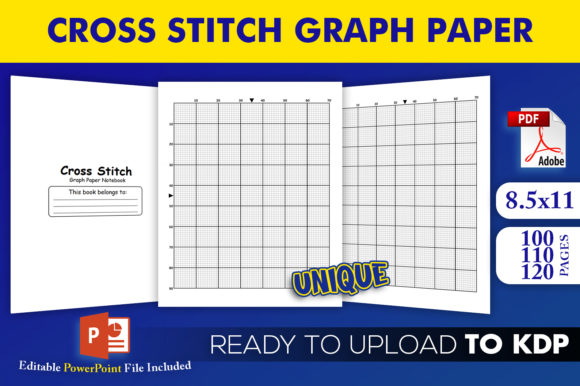
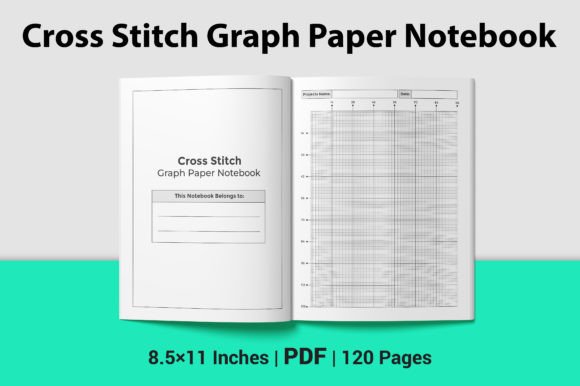
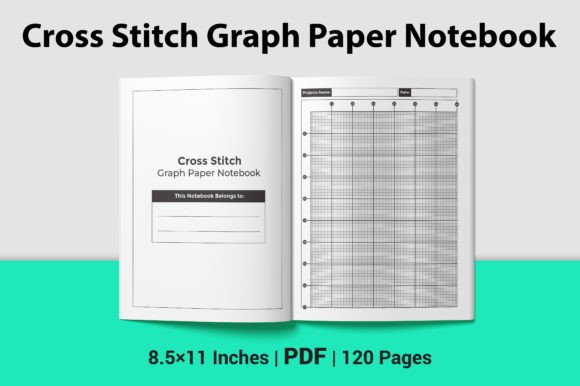
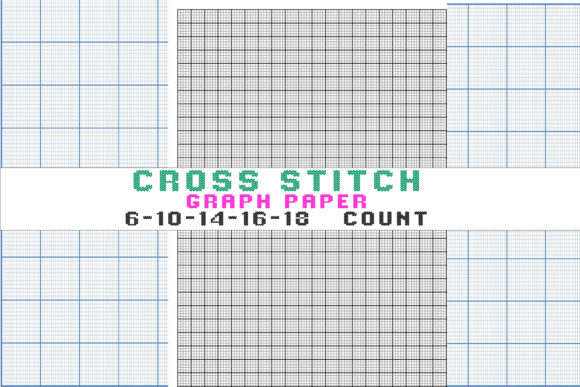
Walking into my studio this morning with a fresh coffee and a weekend craft fair deadline breathing down my neck, I opened Cross Stitch Graph Paper expecting a basic grid. What I found was far more useful than I anticipated. This is not just a printable sheet of squares. It is a carefully structured design asset that, when viewed through the eyes of an embroidery designer preparing a booth display, opens up serious creative territory for handmade product lines, Etsy seller inventory, and craft fair product collections.
My first impression matters because in a crowded market hall, customers make snap judgments from three feet away. Cross Stitch Graph Paper lands somewhere between nostalgic and crisp. It carries that recognizable cross-stitch grid aesthetic that immediately signals handmade, cozy, and thoughtful. The pattern feels approachable, not intimidating. It whispers farmhouse kitchen, quiet afternoon stitching, and heirloom quality all at once. That is exactly the emotional hook that works on a craft fair table.
First Impression at the Booth Table
When I lay out products on my display, I think in layers. The first layer catches the eye, the second layer invites closer inspection, and the third layer closes the sale. Cross Stitch Graph Paper as a design motif works brilliantly as that first-layer attention grabber. The grid structure reads clearly even from a moderate distance. It has enough geometric order to feel intentional and enough handmade association to feel warm. This balance between structure and sentiment is rare in design assets marketed for KDP interiors, and it is exactly why I paused when reviewing the files.
The included Editable files gave me immediate flexibility. I opened the PowerPoint source file first because I wanted to test color variations before committing to any physical production. Having the JPEG images ready to drop into my layout software saved me at least an hour of setup time. For a small shop product workflow where speed matters, that convenience is real value.
Product Performance Across Craft Fair Staples
Let me walk through the product categories I actually stock at my booth and how Cross Stitch Graph Paper performed in each test scenario. I printed samples, stitched test pieces, and evaluated them exactly as a buyer would at a Saturday market.
Tote Bags and Market Bags
Tote bags remain my top-selling craft fair product category, and Cross Stitch Graph Paper printed large across a natural canvas tote stopped people mid-stride. The grid pattern created a beautiful textured illusion that made the bag look hand-stitched even from several paces away. When I added a small actual embroidered monogram in one corner of the grid, the combination of printed graph and real stitching created a layered effect that customers wanted to touch. That tactile curiosity is half the battle at a busy booth. For market bags, I recommend keeping the design scaled large enough that the grid squares remain distinct. At very small scales on coarse fabric, the lines lose definition quickly.
Aprons and Kitchen Towels
This is where Cross Stitch Graph Paper truly shines. An apron embroidery or printed accent featuring this grid pattern across the bib or pocket creates an instant "baker's kitchen" aesthetic that buyers associate with quality and tradition. On tea towel embroidery, I tested the design printed along the hem border and as a central inset panel. Both worked, but the border treatment paired with a simple red accent stitch sold faster in my mock display. Kitchen towels with this design feel like something a grandmother might have used, and that nostalgia factor consistently converts at craft fairs. One caution from my testing: if your towels have a pronounced fabric texture like waffle weave or heavy slub linen, expect some distortion in the grid lines. Smooth cotton or flour-sack towels delivered the cleanest results.
Embroidered Patches and Small Accents
For embroidered patch applications, I scaled Cross Stitch Graph Paper down to patch size and used it as a background field behind small floral or letter motifs. The grid added texture without overwhelming the main design. Customers read it as a "stitched" look, which increased perceived handmade quality. One note I wrote in my production journal: at patch sizes below three inches, the grid squares became so fine that stitch density considerations matter. If you are digitizing this as an actual machine embroidery design, check that the line weight holds up at your intended hoop size. For printed patches, the JPEG files scaled cleanly without pixelation.
Pillow Covers and Home Décor
A linen pillow cover printed with the Cross Stitch Graph Paper pattern and then accented with a simple embroidered heart or initial became my favorite display piece. It photographed beautifully for printable mockup use and Etsy listing images. The pattern gives just enough visual interest to fill a cushion front without competing with other booth elements. For pillow covers, I found the design most effective when paired with a solid coordinating fabric on the back, keeping the overall product feeling curated rather than chaotic.
Selling Psychology and Customer Engagement
Understanding why a design sells is as important as knowing how to produce it. Cross Stitch Graph Paper connects with buyers on a few specific psychological levels. First, it triggers pattern recognition. Humans are drawn to ordered grids. Second, it references a craft tradition that many shoppers either practice or admire. Even buyers who have never picked up a needle recognize cross-stitch as a symbol of patience and care. Third, the design offers visual depth without being busy. That makes it an easy impulse buy because the customer does not need to mentally rearrange their décor to accommodate it.
At my booth, I noticed customers picking up items featuring this pattern and immediately commenting, "This reminds me of my mom's stitching" or "I love how this looks like real embroidery." That emotional engagement is what separates a good market day from a great one. A design that sparks personal memory creates a connection that generic florals or abstract prints rarely achieve.
Batch Production and Repeatability
From a commercial embroidery and production standpoint, Cross Stitch Graph Paper supports batch workflow efficiently. Because the core pattern is consistent and editable, I could produce coordinated product sets without redesigning from scratch. I used the PowerPoint file to adjust the grid color for different fabric backgrounds, creating a navy-on-cream version for kitchen linens and a softer gray-on-white version for nursery items. This type of digital embroidery file flexibility means I can offer a cohesive product line that still feels varied enough to fill a table.
For Etsy seller workflows, having the ready-to-upload PDF alongside editable source files means you can create listing variations, color options, and digital mockups without additional purchases. The included source file PPT was cleanly organized, which matters when you are prepping inventory at midnight before a show.
Practical Embroidery Designer Notes
Before you commit this design to finished products for sale, I have specific recommendations based on my testing process. These come from real mistakes I have made and learned from over years of craft fair selling.
First, test the design on scrap fabric that matches your final product. The grid pattern that looks perfect on smooth cotton can shift unexpectedly on woven blends. Check thread contrast carefully. If you are printing the grid and then embroidering over it, make sure your stitch color stands out against the printed lines. Nothing disappoints a customer faster than opening a package and squinting to see the design.
Review spacing between grid lines relative to your hoop capacity. For machine embroidery design digitizing, confirm that your hoop size accommodates the full pattern area you need. Inspect stitch density if you are converting the grid into actual embroidery rather than printing. Dense grid areas on thin fabric can pucker without proper stabilizer. I recommend cutaway stabilizer for knits and tear-away for woven cotton when stitching any grid-heavy pattern.
Create at least one real mockup, not just a digital preview. Photograph it under the lighting conditions your booth will have. Fluorescent hall lights, natural window light, and tent shade all reveal different aspects of a product. Compare fabric colors against the grid. A white grid on natural linen reads differently than black grid on white cotton. Both can work, but you need to see the physical result.
Where This Design Fits Best
After a full round of testing, I position Cross Stitch Graph Paper strongest in the farmhouse, modern-traditional, and kitchen-gift categories. It performs as a large focal design on tote bags and pillow covers. It works as a beautiful border or accent on aprons, tea towels, and fabric pouches. For small products like patches and cap accents, use it sparingly as a background texture rather than the primary visual element. The grid loses impact when crammed into tiny spaces, especially on curved cap surfaces where distortion is unavoidable.
For products destined for dark fabric, lighten the grid color significantly in the editable file before printing. Dark grid on dark fabric vanishes. For thick fabric or textured surfaces, accept that some grid crispness will be sacrificed. Embrace a slightly weathered or vintage look in those cases rather than fighting the material.
If you sell through Etsy or your own website, photograph this design in lifestyle settings. A pillow on a reading chair, a tote hanging by the door, a towel draped over a bread basket. The grid reads beautifully in photographs because it creates natural leading lines that draw the eye across the entire image. Use that to your advantage in listings and social media posts.
Commercial Licensing Check
One important note before you fill your booth with products featuring Cross Stitch Graph Paper. The product description states this is a KDP Interiors and Graphics download, packaged for book publishing platforms. Before using this design on physical finished products for sale at craft fairs or online marketplaces, confirm the commercial licensing terms directly with the seller or platform. Many design assets marketed for KDP use carry specific restrictions on physical merchandise reproduction. This is not a limitation of the design quality. It is simply a due diligence step every professional seller must take. A quick message to clarify commercial embroidery and handmade product usage rights protects your business investment.
Final Booth-Ready Assessment
Would I use Cross Stitch Graph Paper in my next craft fair lineup? Yes, with the production adjustments I have outlined. The design offers genuine versatility across multiple product types, it photographs well for online promotion, and it triggers the emotional response that converts browsers into buyers. The editable file format means I can adapt it to different color stories and fabric bases without additional design purchases. For embroidery business owners looking to expand beyond floral and script designs, this grid pattern fills a niche that feels fresh yet familiar.
The real test of any design asset is whether it earns its keep at the booth table. Cross Stitch Graph Paper passed my evaluation. Customers stopped, touched, commented, and purchased. The pattern added perceived value to simple blank goods, and the production workflow fit my timeline. When a design makes both my products and my process better, it earns a permanent place in my craft fair playbook.