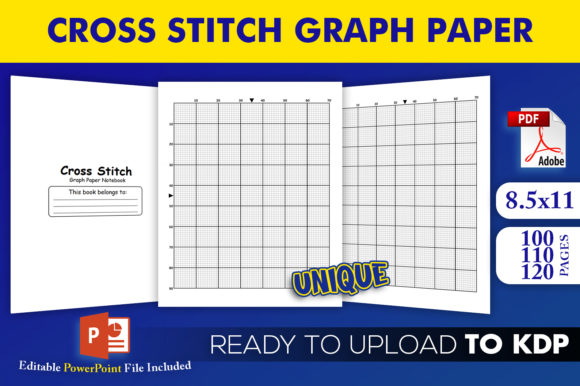
Cross Stitch Graph Paper KDP Interior: Boutique Sweatshirt Review
First Impressions of the Cross Stitch Graph Paper Layout
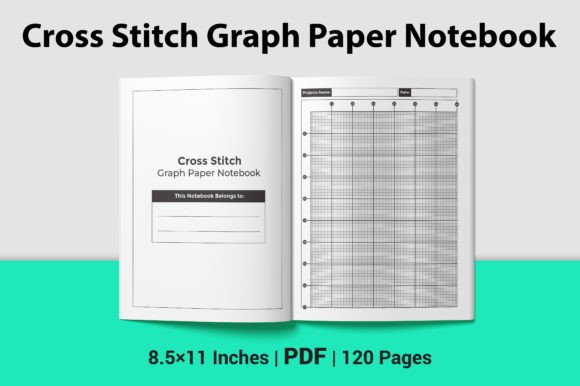
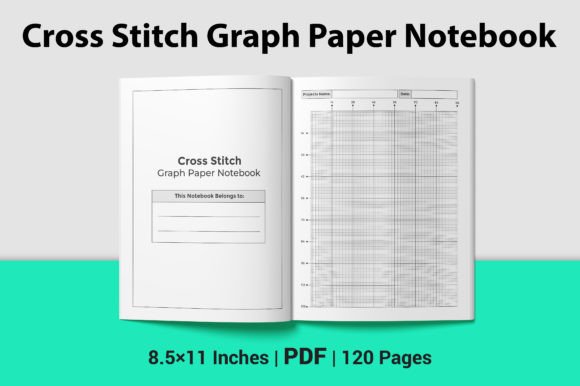
When I unzipped the download for the Cross Stitch Graph Paper KDP Interior, I expected a straightforward grid, but I was pleasantly surprised by how instantly it sparked ideas for a boutique sweatshirt collection. The files—an editable Powerpoint pptx and three ready-to-use PDF interiors, all trimmed to 8.5x11—felt like a designer’s secret weapon. The crisp, even grid doesn’t just live inside a book cover; it whispers cross-stitch charm, the kind that translates so beautifully onto cozy apparel. As an embroidery designer, I look for assets that bridge the gap between digital planning and stitched reality, and this one does it with a clean, uncluttered mood.
Opening the editable source file, I could immediately see how the Cross Stitch Graph Paper KDP Interior functions as a blank canvas. The grid lines are neither too heavy nor too faint, making it simple to block out a motif with a pencil tool—say, a tiny heart, a retro flower, or even a brand monogram. The layout feels meticulous, which is crucial when you’re translating a pixel-like cross-stitch concept into a machine embroidery design that must hold up on thick sweatshirt fleece.
Planning a Boutique Sweatshirt Collection with This Design
Every small clothing brand dreams of that limited-drop moment: a handful of neutral sweatshirts, a cozy seasonal palette, and one cohesive graphic that ties everything together. The Cross Stitch Graph Paper KDP Interior gave me the exact blueprint I needed. Using the pptx file, I layered a few pastel thread-color swatches right onto the grid—blush pinks, sage greens, warm oat—and suddenly the design direction clicked. It felt feminine yet rustic, playful yet minimal, a perfect balance for a boutique line of oversized hoodies and relaxed crewnecks.
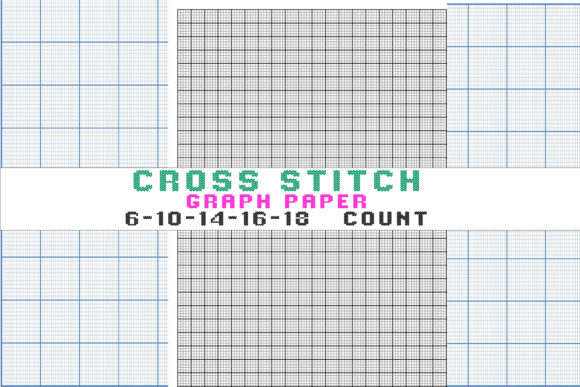
For the front chest placement, I envisioned a compact cross-stitch emblem, about three inches wide. The grid’s structure meant I could count squares to ensure symmetry, then scale the pattern cleanly before digitizing. For a bolder statement, I played with repeating the same motif across the back yoke or wrapping it around a sleeve like a stitched armband. Because the Cross Stitch Graph Paper KDP Interior comes with different interiors pages, I ended up with multiple grid densities, which helped me test both delicate, single-strand looks and chunkier, rustic-filled designs. This versatility is gold when you’re building a custom apparel lookbook.
Thread and Fabric Considerations
When I think about how a cross-stitch-inspired embroidery file will sew out on a sweatshirt, thread color contrast is my number one concern. A mid-weight oatmeal fleece, for instance, loves a matte cotton thread in deep charcoal or dusty rose. The preview built from the Cross Stitch Graph Paper KDP Interior let me test these combos digitally, but I always keep a thread chart nearby. Because cross-stitch mimics individual X-shaped stitches, stitch density must be carefully adjusted in the digitizing software—too many stitches on a fluffy fabric and you risk puckering or stiffness. The grid’s clean lines reminded me to leave breathing room between each cross, which ultimately makes the embroidery feel soft and wearable, not like a rigid patch.
Fabric thickness also dictates the stabilizer choice. For 10-ounce French terry, a cutaway stabilizer is non-negotiable to prevent shifting over repeated washes. The design itself, even though it starts as a graphic on an 8.5x11 page, will live through dozens of laundry cycles once stitched. I always test a sample on the exact hoodie blank I’m using, and the Cross Stitch Graph Paper KDP Interior gives me a repeatable reference to check alignment and size consistency every time.
Placement and Sizing for Maximum Impact
Small embroidery details make a big difference on boutique merchandise. I find that the most coveted sweatshirt embroidery sits either right over the heart, on the wrist cuff, or as a central back panel. The grid template helped me map out three distinct approaches. A 2.5-inch mini motif works as a subtle brand signature on a heather grey crewneck—something a customer would discover up close. A 6-inch version, however, feels like wearable art when centered on the back of an oversized hoodie, almost like a cross-stitch sampler reimagined for modern streetwear.
Hoop placement is always a puzzle with thick seams, but the grid’s precision reminds me to mark registration points on my fabric blanks. Since the Cross Stitch Graph Paper KDP Interior is an editable design asset, not a pre-digitized file, I have full freedom to adjust the motif’s proportions before sending it to my embroidery software. This means I can add a delicate border, remove a few crosses to create negative-space interest, or even layer a subtle monogram inside the grid pattern. For Etsy sellers, this adaptability is priceless—you’re not stuck with a one-size-fits-all look, and you can tailor the same design concept across multiple product listings without losing brand cohesion.
Brand Identity and Customer Trust
Boutique brands rise and fall on perceived value. A sweatshirt with a well-planned, thoughtfully stitched illustration suggests care, patience, and a handmade product ethos that fast fashion can’t replicate. The Cross Stitch Graph Paper KDP Interior helped me articulate that story visually. Instead of slapping a generic logo on a blank, I could show clients a moodboard with grid-based artwork that looks intentionally folk-inspired and slightly nostalgic. That visual recognition builds buyer trust—when someone scrolls through an Etsy shop and sees a cohesive cross-stitch mini collection, they sense a designer who pays attention to detail.
Customer engagement also spikes when they spot something unexpected. A sleeve accent that mimics a cross-stitch border, for example, invites comments and shares. The design’s decorative, almost handcrafted feel stands out in lifestyle product photography, especially when styled with a steaming mug of tea and a chunky knit throw. I’ve seen my own small shop product conversions jump when I lean into that cozy narrative, and this graphic-driven foundation gives me a systematic way to produce that feeling across multiple garment types.
Practical Production Notes
Before you digitize any artwork inspired by the Cross Stitch Graph Paper KDP Interior, a few production realities demand attention. First, hoop size: you’ll need a hoop that accommodates the finished design plus some breathing room for the presser foot. I usually allow at least an extra inch on all sides. Since the original trim is 8.5x11, I can comfortably fit a design up to about 7 inches wide onto a standard 10x10 hoop. If you’re working with a home machine that maxes out at 5x7, scale your grid blocks accordingly—remember, a cross-stitch design must remain readable when shrunk. Small-size readability can suffer if the X-shapes collapse into a blur, so test your stitch density on a scrap of fleece first.
Second, while the download provides a tested KDP interior, I must emphasize that the files themselves do not include a finished digital embroidery file format like PES, DST, or EXP. You will need to build the embroidery design yourself using the grid as a visual guide. That’s actually a plus for boutique owners who want a unique, non-template look. Third, pay attention to thread choices: a matte, 40-weight rayon or polyester thread often yields the best cross-stitch illusion because it sits slightly raised on the fabric, mimicking hand stitching. A subtle sheen can cheapen the vibe, so I stick to low-luster threads. And always, always run a wash test. A dense cross-stitch pattern on a sweatshirt can become a heavy, stiff patch if digitized incorrectly; the grid layout reminds you to keep individual crosses open and airy.
Washing and Wearability
Nothing kills a boutique product faster than a design that warps or frays after the first wash cycle. Because the Cross Stitch Graph Paper KDP Interior is a planning tool, it doesn’t dictate the stitch underlay or pull compensation—you do. I recommend a light water-soluble topper on top of plush fabrics to keep stitches from sinking, and a permanent mesh cutaway stabilizer on the back for structure. After five laundry cycles, a well-digitized cross-stitch design should still look crisp, with no thread breaks and no fabric puckering. I’ve had great success with 80/20 cotton-polyester blends and even 100% cotton French terry, provided the stitch density stays around 3.5 to 4.2 per mm for the main cross elements. The wearable payoff is a sweatshirt embroidery that feels soft against the skin and ages gracefully, exactly what a loyal boutique customer expects.
Final Verdict: A Versatile Foundation for Handmade Apparel
I started this review simply evaluating a Cross Stitch Graph Paper KDP Interior, and I ended up with a complete visual framework for a boutique sweatshirt collection. The editable source file and clean PDF interiors aren’t just for KDP publishing—they’re an unexpected secret for embroidery shops and digital sellers who want to build something fresh from scratch. The grid’s personality swings effortlessly between cute, rustic, and bold depending on thread color and fabric, making it suitable for everything from a pastel spring drop to a moody fall lineup.
For Etsy sellers juggling mockup previews and social media posts, the pptx file doubles as a mockup overlay—you can drop your digital color blocks onto the grid, place it over a flat-lay hoodie photo, and instantly convey the finished commercial embroidery look before a single stitch is sewn. That alone saves hours of back-and-forth on custom orders. And because you own the editable template, you can expand that initial sweatshirt graphic into matching tote bags, beanies, and even unisex tees, extending your brand’s visual recognition across an entire product range.
The only caution I offer is the same I give for any design assets: verify your embroidery machine’s field size, test the stitch-out on the exact garment, and don’t assume the file comes digitized. This Graphics product is the spark, not the finished flame. But for a boutique owner who values originality and a hands-on creative process, the Cross Stitch Graph Paper KDP Interior is one of those quietly brilliant resources that can set a handmade product line apart in an overcrowded apparel market.
In the world of Kdp Interiors, this might be listed as a simple journal template, but in the hands of an embroidery artist, it becomes a repeatable system for charming, story-rich custom apparel. I’m already planning my next limited drop around a Scandinavian-inspired cross-stitch border—and that’s a review better told through stitches.