Cross Stitch Graph Paper Notebook KDP: An Embroidery Designer’s Seasonal Tool
First Impression: A Cozy Canvas for Holiday Creativity
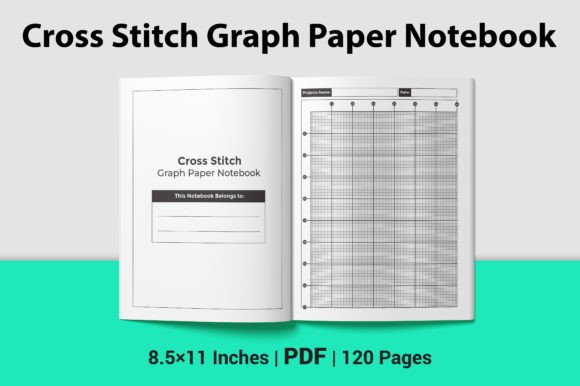
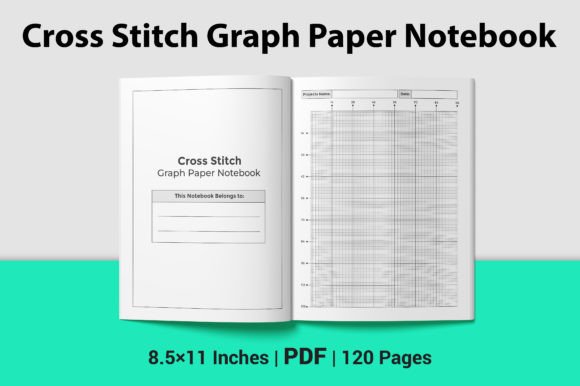
Unboxing a digital product like the Cross Stitch Graph Paper Notebook KDP feels a little different from downloading a fresh embroidery file. But as a professional embroidery designer, I look for tools that sharpen my entire creative workflow — not just stitch-ready art. This notebook interior hit me with a wave of festive nostalgia the moment I opened the PDF. The clean, generously sized 8.5×11 inch grid pages remind me of winter evenings spent sketching cross-stitch motifs by the fire, plotting designs for gift-ready kitchen towels, heirloom ornaments, and cozy pillow covers. The aesthetic is blank but brimming with possibility, exactly the kind of rustic-elegant, hands-on planning surface I crave when building a seasonal shop collection from scratch.
The emotional tone here is genuinely calm and inviting. There’s something wonderfully analog about cross-stitch graph paper — it whispers of slow crafting, of thoughtful handmade gift preparation, and of designing patterns that carry the warmth of a holiday hearth. Even though this is a KDP interior, ready to upload and print, the feeling is deeply personal. I immediately wanted to grab my favorite fine-liner pens and begin charting a set of whimsical snowflake borders for custom sweatshirt embroidery and matching tote bag panels. That’s the magic this notebook brings: it bridges digital efficiency with the soul of traditional needlecraft.
How the Notebook Fits a Seasonal Embroidery Designer’s Workflow
I don’t treat this Cross Stitch Graph Paper Notebook KDP as just another stationary template. For machine embroidery designers, meticulous pattern planning often happens far before we ever load a hoop. Whether I’m conceptualizing a limited-edition holiday pillow cover line or a series of cute embroidered baby bibs for Christmas gift bundles, I need a systematic way to draft cross-stitch lettering, test layout proportions, and balance thread color placements. This notebook, with its thoughtfully formatted pages and no-bleed design, gives me exactly that workspace.
From Graph Paper to Finished Product: Seasonal Planning in Action
When I start building my festive Etsy catalog around October, every design must feel intentional. I map out coordinating sets — maybe a family-matching pajama embroidery theme, or a cluster of Scandinavian-style kitchen towel designs. The grid becomes my command center. I sketch a repeating holly berry motif across several pages, test how it flows on a 4×4 hoop, and adapt the spacing with pencil before ever digitizing. Because the pages are 8.5×11 inches, I can print them at scale and lay real fabric swatches on top, visualizing how the final stitch-out will sit on a knit sweater, a thick terry apron, or a curved infant cap.
This notebook also simplifies bundle creation. I can storyboard multiple related designs — like a ‘Winter Woodland’ collection featuring a fox, an owl, and a cluster of pinecones — all within the same physical (or printed) space. That direct tactile planning helps me spot gaps, balance complexity, and make sure the entire line feels cohesive for holiday shoppers who value visual consistency and gifting appeal.
Designing for Real-World Holiday Selling Situations
Embroiderers selling at craft fairs or through online marketplaces know that seasonal stock moves fast and emotional connection seals the sale. The Cross Stitch Graph Paper Notebook KDP helps me test exactly which elements spark that “I need this” reaction. I’ll draft a few alternate versions of a ‘Joy’ ornament chart, placing the lettering inside a circle, a wreath, or a banner. Glancing at those hand-sketched comparisons side by side, it’s much easier to choose the composition that feels most festive and giftable — the one that will photo best on a printable mockup and tug at a buyer’s heartstrings.
Social media previews also benefit. I photograph my notebook pages filled with seasonal pattern ideas, offering followers a behind-the-scenes look at my creative process. That transparent, handmade-inspiration approach builds trust and engagement, especially during the crowded holiday shopping period. Customers see the care I pour into each digitized embroidery file through these early concept stages, and they’re more likely to invest in the finished product — whether that’s a personalized embroidered patch or a premium set of Christmas pillow covers.
Nurturing Gift-Ready Value and Buyer Confidence
When I stitch out a design for retail, my customers expect durability, beauty, and that elusive “handcrafted warmth” that mass-produced items lack. The Cross Stitch Graph Paper Notebook KDP plays an unexpected role here: it lets me refine stitch density and detail level before I ever burden a needle. If a mini holly leaf I sketch looks too crowded at one-inch scale, I’ll simplify its contours right on the graph. That tiny act saves me from testing a dense, misbehaving stitch-out on a delicate onesie or a dark-toned kitchen towel later. I can preempt the common pitfalls of small lettering snag, overly thick fill areas, and lost detail on textured fabrics while I’m still holding a pencil.
For gift-oriented products — think personalized embroidered aprons for Grandma, or custom baby blankets featuring the new family name — the perceived value skyrockets when the embroidery looks clean and intentional. My notebook notes often include thread brand suggestions, hoop sizing, and stabilizer reminders right beside the design draft. When I eventually turn that sketch into a smooth-running embroidery file, the entire production feels cohesive and professional. That consistency strengthens my brand, encourages repeat purchases, and increases positive reviews during the busy holiday rush.
Practical Embroidery Designer Notes and Important Cautions
Even the best planning tool can’t replace real-world testing. Here’s my honest advice for anyone who buys the Cross Stitch Graph Paper Notebook KDP and intends to translate their hand-charted patterns into machine embroidery products for holiday sale.
- Always test thread colors on both light and dark fabric. A cherry-red floss that pops on white notebook paper might vanish on a navy sweatshirt or muddy on a natural linen towel. Use the graph to map color families, then swatch physically before loading a production run.
- Check stitch density against your sketched details. The grid helps you estimate spacing, but embroidery software defines true density. Overly compact motifs designed on paper can become stiff or distorted on stretchy garments. Simplify where needed.
- Verify your hoop size. Just because a design fits beautifully on the 8.5×11 page doesn’t mean it fits your largest hoop. Mark hoop boundaries directly onto the printed notebook sheet to avoid disappointment.
- Use proper stabilizer. My seasonal designs often land on fluffy Christmas stockings, plush robes, or knit beanies. The notebook won’t tell you this, but your experience should: test tear-away vs. cut-away stabilizer on comparable fabric before committing to a full batch.
- Create realistic mockups. Notebook sketches are early-stage visions. I scan or photograph my best drafts, overlay them onto product photos in Canva, and gauge how the embroidered item will photograph in a shop listing. That step saves me from investing too much time in a pretty-on-paper design that lacks retail punch.
- Check the Creative Fabrica product details and licensing. This notebook interior is a PDF for KDP; use it according to the provided license. If you plan to sell physical copies of the notebook itself, respect those terms. For your embroidery files, ensure they are original designs inspired by your own graph paper development, not direct reproductions of any protected cross-stitch chart from another source.
Where to Use This Notebook’s Output With Care
While the Cross Stitch Graph Paper Notebook KDP is a phenomenal planning resource, the resulting embroidery projects need careful handling on certain products. I’ve learned to be especially cautious with:
- Small hoop sizes. Designs charted across a generous notebook page often need significant reduction. Not all lettering or intricate motifs survive extreme shrinkage — stitches may overlap or lose definition.
- Tiny lettering. “Merry & Bright” might look adorable in pencil, but at half an inch tall on a curved cap, your thread may bunch or disappear. Use the notebook to test larger, separation-friendly typography, then digitize with insurance in mind.
- Layered details on thick towels. Cross-stitch patterns that rely on delicate single-strand effects can get lost in terry cloth. Your sketch won’t show that, but a test stitch-out on a thick towel will. Plan for bolder silhouettes when targeting high-pile holiday linens.
- Dark fabric. Graph paper is white. When you move those pastel threads to a charcoal onesie, the opacity might disappoint. I note “dark fabric? → test on black cotton” right in my notebook margin to remember this vital check.
- Metallic threads. If your holiday motif includes sparkling snowflakes, the sketch looks magical. Real metallic threads can be finicky, so use the notebook to design a simplified backup version without the shimmer, then offer both as variants to customers.
- Items needing frequent washing. Aprons, baby clothes, and tea towels will see heavy laundering. Embroideries planned with the notebook’s help still need digitizing with secure underlay and appropriate stitch length to survive the spin cycle gracefully.
Why This Notebook Strengthens a Seasonal Embroidery Brand
The holiday shopping period is both profitable and frantic. Buyers are emotional, time-pressed, and hunting for unique gifts. The Cross Stitch Graph Paper Notebook KDP gives me a silent advantage: it reinforces brand consistency by letting me build a unified, seasonally-evocative collection in one place. I can quickly flip back through my printed pages for color cues, recurring iconography (snowflakes, stars, reindeer silhouettes), and overall mood. That repetition builds visual recognition, so when shoppers see my booth or Etsy store, they immediately know I’m offering a curated holiday experience, not a random assortment of designs.
It also amplifies giftability. By playing with layout on the grid, I can test how a monogram fits with a decorative border for a keepsake pillow cover, or how a ‘Baby’s First Christmas’ motif sits with a whimsical bear. Those considered details translate into products that feel finished, precious, and worth wrapping in a bow. That elevated appeal encourages higher price points — essential for any small craft business aiming to raise margins during peak season.
Final Thoughts: A Simple Tool With Deep Seasonal Impact
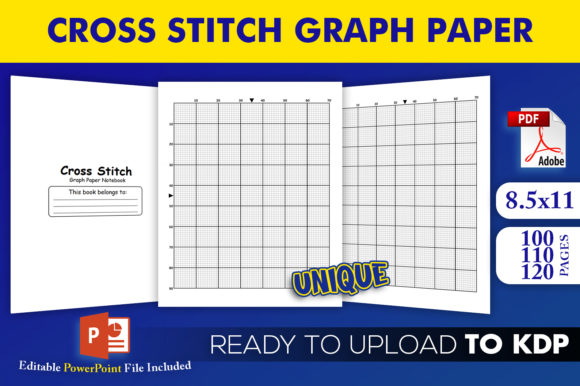
Approaching the Cross Stitch Graph Paper Notebook KDP from an embroidery designer’s perspective, this isn’t a flashy download, but it’s genuinely one of the most useful organizational accessories I’ve adopted for my holiday planning. The ample page count (choose 100, 110, or 120 pages) means I can dedicate entire sections to different seasonal themes — Christmas, Hanukkah, winter general, New Year — without mixing them up. The no-bleed formatting keeps my roughs clean and reproducible. And because it’s a print-ready PDF for KDP, I can even self-publish a physical version to offer as a companion product in my Etsy shop, right alongside the finished embroidery files. That cross-category synergy is a clever way to deepen customer loyalty and create yet another touchpoint during the holiday gift search.
If you’re an embroidery small business owner, a custom gift creator, or a craft fair regular gearing up for the next festive wave, this notebook interior is worth a spot in your digital toolbox. It won’t replace your stitch software, but it will absolutely elevate the planning stage, sharpen your seasonal collections, and help you deliver the kind of heartfelt, beautifully-executed embroidery that keeps customers coming back year after year. Just remember to double-check all the technical details — hoop sizes, thread performance, stabilizer choices, and Creative Fabrica’s licensing — before sending any design to needle. A well-planned pattern is the foundation of a flawless holiday finish.