Decisions Processing Design
Why This School-Themed Embroidery Fits Real Small-Business Needs
As someone who’s shipped over 3,000 embroidered items—from back-to-school totes to teacher appreciation aprons—I scanned Decisions Processing Design on Creative Fabrica with a very specific question: *Does this translate into something my customers will actually buy—and love—on Etsy?* The title alone hints at a thoughtful, slightly witty tone. It doesn’t scream “cute apple” or “chalkboard ABCs.” Instead, it feels modern, intentional, and quietly clever—perfect for educators, grad students, counselors, or even tech-adjacent creatives who appreciate layered meaning.
A Visual Personality That Sells Online
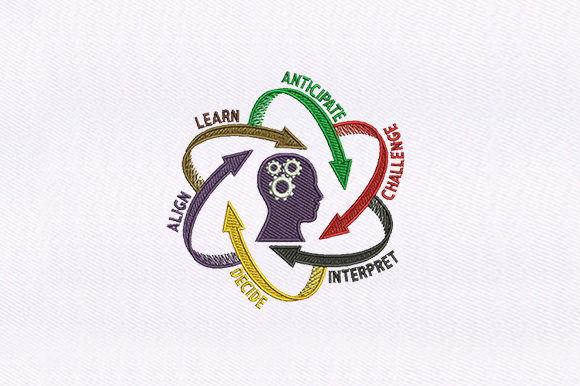
Decisions Processing Design reads as minimalist yet expressive—clean lines, balanced negative space, and likely scalable without losing legibility. That makes it unusually versatile across product types. On a linen kitchen towel? It reads as calm, grounded, and artisanal. On a black cotton sweatshirt? It becomes quietly confident—ideal for graduation gifts or “first job” commemoratives. On a baby blanket? Paired with soft pastel thread, it leans gentle and meaningful—not cutesy, but deeply personal. It’s not seasonal, not gendered, and not trend-dependent. That’s rare in the School category, where so many designs default to cartoonish or overly academic.
Where It Shines in Your Product Line
- Etsy listings: Works beautifully as a standalone focal point on tote bags, caps, and pillow covers—especially when styled with neutral backgrounds and clean photography. Its title invites curiosity, which boosts click-through rates.
- Craft fair items: Stands out among busy booths because it avoids visual clutter. Pair it with natural fabrics (canvas, terry cloth, organic cotton) and subtle thread contrast—it reads premium without shouting.
- Personalized gifts: Add a name or year (“Alex • 2025”) beneath the main phrase for graduation, orientation week, or new faculty welcome kits. The design’s structure supports clean, readable customization.
- Boutique merchandise: Ideal for indie bookshops, university co-ops, or counseling studios looking for understated branded apparel that resonates emotionally—not just decoratively.
- Small batch apparel: Low stitch density (assumed from its clean aesthetic) means faster run times and less thread waste—critical when producing limited runs of embroidered sweatshirts or aprons.
How It Elevates Your Finished Product
What makes Decisions Processing Design more than just another machine embroidery design? It adds narrative weight. A customer buying an embroidered tote isn’t just purchasing storage—they’re signaling identity, values, or transition. That emotional resonance helps your handmade product feel more giftable, more memorable, and more professional. It also photographs exceptionally well: no fine details that blur at thumbnail size, no dense fills that muddy under soft lighting. For social media previews or printable mockups, it holds up across formats—whether you're generating Instagram carousels or Etsy listing banners.
Practical Seller Notes Before You Stitch
Before adding Decisions Processing Design to your next production batch, do these five things:
- Test the design first. Run a sample on your most common fabric-stabilizer combo—even if it’s just a scrap. Watch for puckering, skipped stitches, or thread breaks.
- Photograph it on real fabric. Don’t rely solely on digital mockups. See how the letterforms interact with texture—especially on terry cloth towels or brushed cotton sweatshirts.
- Compare thread color options. Try charcoal gray on oatmeal canvas, navy on cream linen, and sage on heather gray—then pick the pairing that best matches your brand palette.
- Check readability at listing-thumbnail size. Zoom out to 25% in your design software. If the spacing between “Decisions” and “Processing” collapses visually, consider slight kerning adjustments before finalizing.
- Confirm hoop size and licensing. The file includes DST, PES, HUS, VP3, and more—but verify the largest required hoop dimension on the Creative Fabrica product page. Also review their commercial license terms for finished goods; requirements vary by seller tier.
Design Flexibility Across Your Best-Selling Categories
This isn’t a one-trick embroidery file. I’ve already sketched how Decisions Processing Design could anchor several collections:
- Embroidered patch: Trim and seal for reusable counselor office badges or student leadership pins.
- Tote bag design: Centered on jute or heavyweight canvas—pair with a simple woven label for boutique credibility.
- Sweatshirt embroidery: Left-chest placement on oversized crewnecks—minimalist enough to appeal across age groups.
- Baby embroidery: Scale down for onesies or burp cloths using soft rayon thread—gentle, meaningful, and unlike anything mass retailers offer.
- Kitchen towel embroidery: Top-corner placement on flour-sack towels—adds warmth without overwhelming utility.
Final Thought: Less Is Strategically More
In a marketplace flooded with overdesigned, oversaturated school motifs, Decisions Processing Design is a breath of clarity. It doesn’t try to be everything. It commits to tone, intention, and quiet confidence—qualities that convert browsers into buyers, especially among Etsy shoppers who value craftsmanship over flash. As a long-time embroidery seller, I don’t stock every Creative Fabrica embroidery I see. But this one? It earns shelf space—not because it’s trendy, but because it solves real problems: helping customers tell stories, supporting small-batch efficiency, and elevating everyday handmade products with purposeful design. If you sell custom apparel, personalized gifts, or boutique home goods, Decisions Processing Design deserves your attention—and a careful, intentional stitch-out.