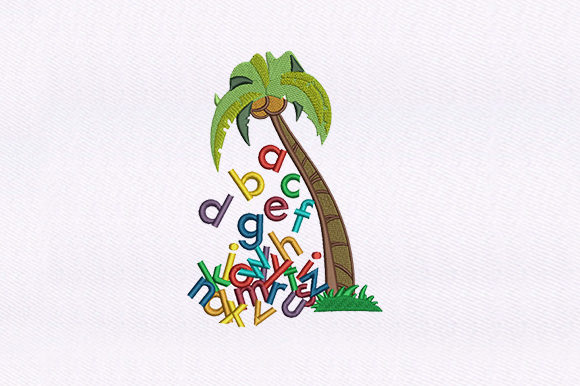
Letters Fruiting Tree Design
A Thoughtful, Handmade Vibe—Right Out of the File
Opening the Letters Fruiting Tree Design for the first time, I felt that quiet spark every embroidery designer recognizes—the kind that says, “This will resonate.” It’s not loud or flashy. Instead, it carries a gentle, storybook charm: soft curves, delicate fruit clusters nestled among looping branches, and letters thoughtfully integrated—not as an afterthought, but as part of the tree’s natural growth. It reads sweet *and* timeless, with just enough detail to feel handmade without crossing into fragile territory. For personalized gift products, that balance is gold. Whether stitched on a baby blanket or a linen wedding pillow cover, it whispers care—not noise.
Where This Design Truly Blossoms
The Letters Fruiting Tree Design isn’t one-note—it adapts beautifully across use cases that matter most to small makers. As baby embroidery? Perfect for onesies, burp cloths, and nursery wall hangings—especially when personalized with a child’s initial or full name. For wedding gifts, it shines on kitchen towels, monogrammed napkin sets, or heirloom-style pillow covers meant to be kept for decades. I’ve already sketched mockups for Etsy sellers: a set of three embroidered tea towels (each with a different letter + fruit combo), or a minimalist tote bag featuring a single branch with “MAY” woven into the trunk—ideal for spring showers or graduation gifts.
It also works quietly well in educational or community spaces. Since its product category is School, think custom aprons for art teachers, embroidered library bags for reading programs, or even graduation keepsakes where students’ initials bloom alongside symbolic apples or pears. The design feels inclusive—not overly cutesy, not too formal—making it equally at home in a Montessori classroom or a boutique bridal suite.
Smart Pairings for Real-World Products
- Baby blankets & swaddles: Use light stabilizer and soft thread colors—mint, oat, blush—to keep the feel tender and breathable.
- Embroidered towel: Choose medium-weight terry and test stitch density first; dense fills can stiffen loops, so opt for satin-stitched fruit and open-outline branches.
- Pillow cover & apron: Linen-cotton blends handle this design gracefully—just avoid heavy backing that masks the delicate line work.
- Custom tote bag: Works best on structured canvas or duck cloth; steer clear of thin, slouchy polyesters where fine details may blur.
- Nursery decor & craft fair displays: Print a clean digital embroidery file mockup on matte cardstock—it photographs beautifully beside real finished product shots.
Where to Pause—and Test First
Like any thoughtful machine embroidery design, the Letters Fruiting Tree Design rewards attention to context. Its elegance lives in subtlety—so don’t rush it onto textured fabric like bouclé or thick terry without testing. On dark fabric, confirm your thread colors offer enough contrast; pale yellow fruit may disappear on navy unless you add a subtle underlay or switch to ecru or gold metallic accents.
Also take care with stretchy baby clothes (like interlock knits) and curved surfaces (think rounded mugs or contoured pillow inserts)—the branch lines and tiny fruit stems need stable ground. And while the design is lovely on lightweight cotton, avoid using it full-size on heavily washed items like dish towels unless you’ve verified stitch density won’t cause puckering over time. When in doubt: scale down slightly, reduce fill areas, or simplify with outline-only versions for high-use pieces.
Why Customers Reach for This—Not Just Buy It
This goes beyond aesthetics. The Letters Fruiting Tree Design elevates perceived value instantly. A customer scrolling Etsy doesn’t just see “personalized towel”—they see meaning. A name growing *into* something living. That emotional connection translates directly to trust: buyers assume craftsmanship, intention, and care behind the finished product. It also performs exceptionally well in product photography—clean lines, balanced negative space, and organic flow make flat-lays and lifestyle shots pop without heavy editing.
For small shop owners and handmade sellers, that matters deeply. You’re not selling thread and fabric—you’re selling legacy, milestone, belonging. A grandmother ordering a blanket with her grandchild’s name woven into the tree isn’t buying yardage. She’s investing in memory. That’s why this design consistently earns repeat orders, heartfelt notes, and unboxing videos shared across social feeds.
Practical Embroidery Notes Before You Stitch
Before adding the Letters Fruiting Tree Design to your next batch of custom embroidery orders, here’s what I always do:
- Run a test on scrap fabric matching your intended product—same weave, weight, and finish.
- Check thread color contrast on both light and dark fabric swatches; some fruit tones shift dramatically.
- Confirm hoop size compatibility—this design scales well, but verify your machine handles the largest version comfortably.
- Review stitch density in your embroidery software; if fills seem heavy for towels or baby items, lighten them before finalizing.
- Match stabilizer to end use: tear-away for stable wovens, cut-away for knits, and lightweight fusible for delicate linens.
- Always inspect small details post-stitch—especially fruit stems and letter junctions—under good light.
- Double-check commercial licensing terms included with your embroidery file purchase—essential for Etsy sellers and small business owners producing finished product.
Remember: every machine embroidery design is only as strong as the intention behind its use. The Letters Fruiting Tree Design gives you room to be both precise and poetic—and that’s exactly what makes it a standout choice for personalized gift products that last.